Artificial intelligence now shapes how we learn, work, and interact, yet the world still lacks a shared definition of AI literacy and a reliable way to measure it.
CALS exists to provide that foundation.

Our Mission
CALS exists to define and steward internationally recognized standards for AI literacy, ensuring that individuals, institutions, and societies can collaborate with AI responsibly and confidently. Guided by scientific rigor and global consultation, our work focuses on making AI literacy measurable, equitable, and accessible: across education, workforce development, and public life.
We believe AI literacy is not merely technical knowledge but a foundational human capability. As AI becomes embedded in everyday decision-making, communication, and learning, CALS establishes the structure needed for responsible adoption: a shared language, validated measures, and transparent governance. By grounding our work in independence, neutrality, and public benefit, we support systems, not just users, in navigating an AI-enabled future.
The CALS™ 15 Standard
AIL - 1.0
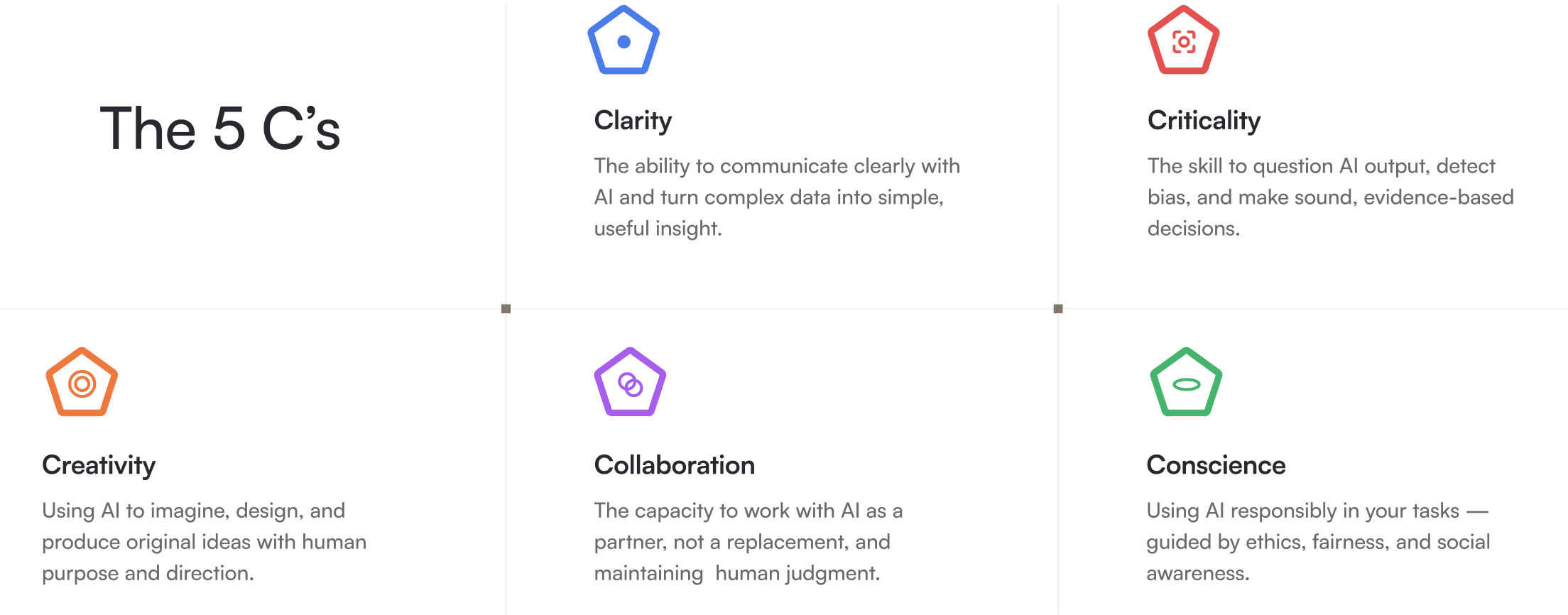
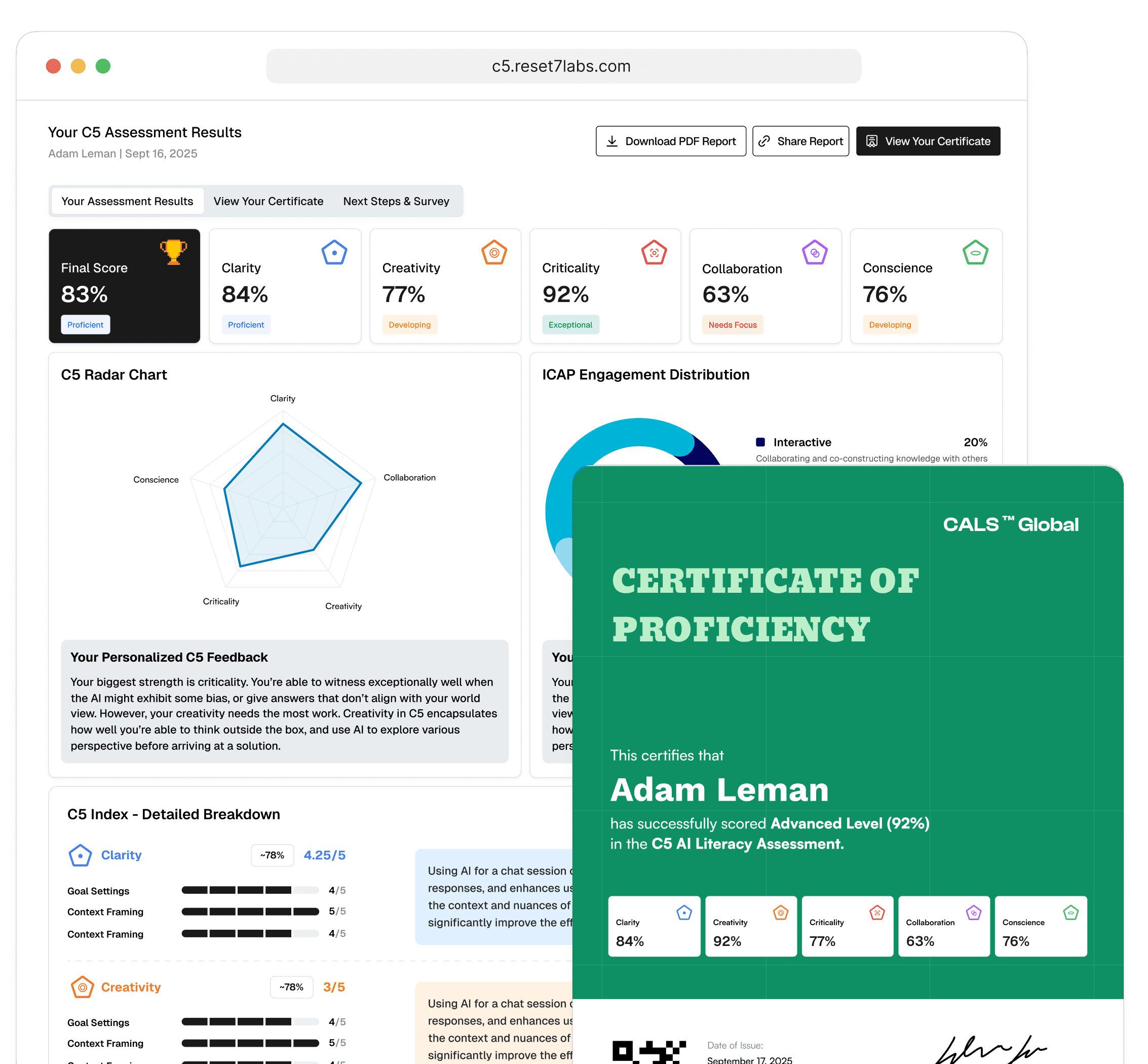
At its core is CALS-15, a structured competency model grouped into five capability domains. These domains apply across age groups, cultures, languages, and professional contexts, forming a foundation for curriculum alignment, assessment, and policy design.
RESET 7 LABS
CALS™
Global Consortium
The CALS Global Consortium brings together ministries, universities, research groups, and organizations working to advance responsible and measurable AI literacy worldwide. The consortium creates a shared space for collaboration, policy alignment, and field implementation — ensuring the standard reflects diverse educational, cultural, and sector contexts.
Members contribute insight, research, and feedback from practice, supporting translation, localization, and evidence-building as the standard matures. While the consortium informs development, formal governance remains independent under CALS to protect neutrality, scientific rigor, and global relevance.
What partners and institutions ask most.
Choosing a standards framework is a long-term decision. Institutions, ministries, and partners need clarity on what CALS is, how it is governed, and how it can be adopted. The questions below reflect the issues most often raised in early conversations with education systems, workforce leaders, and public-sector stakeholders.